Introduction
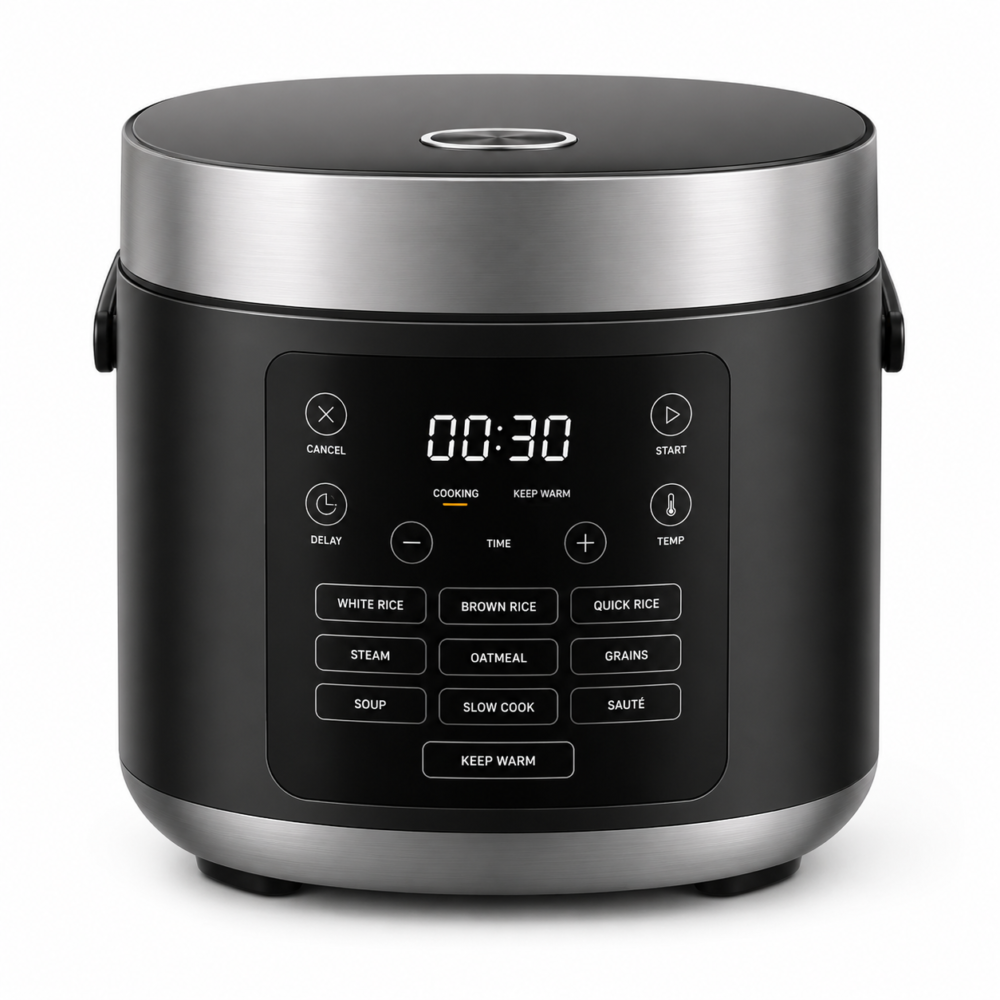
Walk into any kitchen appliance aisle these days and you’ll notice rice cookers have come a long way from the simple one-button machines of decades past. What used to be a single-purpose gadget for steaming rice has, for many households, turned into a small countertop workhorse capable of slow cooking, sautéing, steaming vegetables, and keeping food warm for hours at a stretch. The Cosori 10-Cup Rice Cooker with Fuzzy Logic technology is one example of this shift toward multi-functional kitchen tools designed to simplify everyday cooking.
This article takes a closer look at what this type of rice cooker offers, how it might fit into different cooking routines, and what to think about before bringing one into your kitchen. Rather than offering a sales pitch, the goal here is to walk through the practical side of things — the features, the use cases, and the kind of household this appliance tends to suit best.
Understanding Fuzzy Logic Rice Cookers
Before getting into the specifics of this particular model, it helps to understand what “fuzzy logic” actually means in the context of rice cookers, since the term shows up a lot in product descriptions without much explanation.
Traditional rice cookers typically work with a simple on/off mechanism tied to temperature. Once the water boils away and the internal temperature rises past a certain point, the cooker switches to warm mode. This works fine for plain white rice, but it doesn’t account for differences in rice type, grain age, or water content.
Fuzzy logic systems, by contrast, use small onboard computers and sensors to adjust cooking time, temperature, and pressure cycles based on what’s actually happening inside the pot. Instead of following one fixed program, the appliance makes micro-adjustments throughout the cooking process. In theory, this leads to more consistent texture across different rice varieties — from short-grain sushi rice to long-grain basmati — without requiring the user to manually tweak settings each time.
Key Features of the Cosori 10-Cup Rice Cooker
Capacity and Everyday Use
With a 10-cup capacity (measured uncooked, which typically expands to around 20 cups cooked), this rice cooker is built with larger households, meal preppers, or those who like to batch-cook in mind. For a family of four to six, or for someone who cooks rice in bulk to use across several meals during the week, a 10-cup model offers more flexibility than the smaller 3- or 6-cup options often marketed toward single users or couples.
18 Cooking Functions
One of the more notable aspects of this model is the range of preset functions — 18 in total. Rather than being limited to “cook” and “warm,” users get access to settings tailored for different grains and dishes, which may include options such as:
White rice and brown rice settings, each calibrated for different cooking times and water absorption rates
A sauté function for browning aromatics or searing ingredients before switching to a slow cook or stew setting
A slow cooker mode for dishes like braises, soups, or stews that benefit from long, low-temperature cooking
A steam function that works in tandem with the included stainless steel steamer basket, allowing vegetables, dumplings, or proteins to cook above the rice or separately
Settings for porridge, oatmeal, multigrain blends, and sometimes cake or yogurt, depending on the exact function list
Having this many presets means the appliance is designed to handle more than just rice — it leans into the “multi-cooker” category that has become popular among people looking to reduce the number of single-purpose gadgets cluttering their counters.
Non-Stick Ceramic Inner Pot
The inner cooking pot uses a non-stick ceramic coating rather than the traditional non-stick coatings found in older rice cooker models. Ceramic coatings are often chosen because they tend to be free of certain chemical compounds found in older non-stick technologies, and they generally hold up well to repeated use without losing their non-stick properties as quickly. This can make cleanup considerably easier, since rice and grains are notorious for sticking to the bottom of poorly coated pots.
24-Hour Keep Warm Function
A practical detail that’s easy to overlook is the keep-warm function, which in this case extends up to 24 hours. This means rice cooked in the morning can stay at a safe, ready-to-eat temperature well into the evening without drying out or requiring reheating in a separate appliance. For households with staggered mealtimes — say, one person eating dinner early and another arriving home late — this kind of extended warm function can be genuinely convenient.
Stainless Steel Steamer Basket
Included with the unit is a stainless steel steamer basket, which sits above the rice while it cooks. This allows for a two-tier cooking approach: rice on the bottom, vegetables, fish, or dumplings steaming above. It’s a small addition, but one that effectively turns a single appliance into a more complete one-pot meal solution.
Sauté and Slow Cook Capability
The inclusion of a sauté function sets this rice cooker apart from more basic models. Being able to brown onions, garlic, or meat directly in the same pot before switching to a slow cook or rice setting reduces the need for a separate skillet, which in turn cuts down on dishes and prep time. This crossover between rice cooker and slow cooker functionality reflects a broader trend in kitchen appliances toward consolidation — fewer machines doing more jobs.
How It Can Be Used
Because of its function range, this type of rice cooker tends to find its way into more than just rice-related meals. Here are some practical ways it might be used in a typical kitchen:
Weekly Meal Prep
Cooking a large batch of brown rice or quinoa at the start of the week and portioning it out for lunches is a common use case, especially for anyone trying to streamline their meal prep routine. The 24-hour keep-warm setting means rice doesn’t need to be immediately refrigerated if it’s going to be eaten within the same day.
One-Pot Dinners
Using the sauté function to brown ground meat or vegetables, then switching to the slow cook setting for a stew or chili, allows for a relatively hands-off dinner that doesn’t require monitoring the stove. This kind of one-pot approach is popular among people balancing busy schedules who still want a homemade meal.
Steamed Vegetables and Proteins
The steamer basket opens up the option of cooking a full meal in one go — rice below, vegetables or fish above — which can be a time-saving approach for weeknight dinners.
Breakfast Porridge or Oatmeal
Some users repurpose the cooker overnight using the slow cook or porridge function to have warm oatmeal or congee ready in the morning, taking advantage of the appliance’s ability to run unattended for extended periods.
Holiday or Gathering Cooking
For occasions where stove space is limited but multiple dishes need to be prepared, having a separate appliance dedicated to rice or grains frees up burners for other dishes.
Who It May Be Suitable For
Given its size and function range, this rice cooker tends to be a better fit for some households than others.
Larger families or those who cook in bulk: The 10-cup capacity is generous, and may be more than necessary for someone cooking just for themselves.
People who eat rice or grains regularly: If rice, quinoa, or similar grains are a weekly staple rather than an occasional side, the variety of presets becomes more useful.
Those looking to consolidate kitchen appliances: Anyone trying to reduce counter clutter by replacing a separate slow cooker, steamer, and rice cooker with one device may find the multi-function design appealing.
Meal preppers: The combination of capacity and the 24-hour warm function suits people who prepare food in advance for the week.
On the other hand, someone who only occasionally cooks small amounts of rice, or who has limited storage space, may find a smaller, simpler rice cooker more practical. Bigger isn’t automatically better — it depends on actual cooking habits and household size.
Important Things to Consider
Counter and Storage Space
A 10-cup rice cooker is not a small appliance. Before purchasing, it’s worth measuring available counter or cabinet space, particularly if the kitchen already has several other countertop appliances competing for room.
Learning the Functions
With 18 different settings, there can be a bit of a learning curve when first getting familiar with which function suits which type of dish. Referring to the included instruction manual, at least initially, can help avoid trial-and-error mishaps like undercooked grains or overly soft vegetables.
Cleaning and Maintenance
While the ceramic non-stick coating is generally easier to clean than older coatings, it’s still good practice to avoid abrasive scrubbers or metal utensils, which can wear down non-stick surfaces over time regardless of the coating type. Hand washing the inner pot rather than placing it in a dishwasher is often recommended to extend its lifespan, though this can vary by model, so checking the specific care instructions is worthwhile.
Power and Outlet Access
Larger multi-cookers can draw more power than basic models, so it’s worth confirming that the intended kitchen outlet and circuit can comfortably handle the appliance, especially if other high-wattage devices are used nearby.
Realistic Expectations Around “Smart” Cooking
While fuzzy logic technology aims to improve consistency, results can still vary depending on factors like rice freshness, water-to-rice ratio, and altitude. It’s a helpful feature, but not a guarantee of identical results every single time.
How This Type of Cooker Compares to Other Categories
Rather than comparing specific brands, it can be useful to understand how multi-function rice cookers like this one generally stack up against other categories of cooking appliances.
Basic Rice Cookers: Simpler models typically offer just one or two settings — cook and warm. They tend to be more affordable and easier to use right out of the box, but lack the flexibility for slow cooking, sautéing, or handling multiple grain types with precision.
Pressure Cookers and Instant Pot-Style Appliances: These often cook faster due to pressure-based cooking and can also handle a wide range of dishes, but they generally require more active monitoring of pressure release and may have a steeper learning curve for first-time users. Multi-function rice cookers tend to prioritize convenience and hands-off cooking over speed.
Dedicated Slow Cookers: Traditional slow cookers are built specifically for long, low-temperature cooking and often have larger capacities suited to big batches of soups or stews. However, they typically don’t include rice-specific presets or steaming baskets, making them less versatile for grain-based meals.
Steamers: Standalone steamers are good at one job — steaming — but don’t offer the cooking versatility of a combined rice cooker and steamer unit.
In short, multi-function rice cookers like this one tend to sit in a middle ground: not as fast as pressure cookers, not as specialized as dedicated slow cookers, but offering a broad range of everyday functionality in a single appliance.
Frequently Asked Questions
Can this rice cooker handle different types of rice equally well?
Fuzzy logic technology is designed to adjust cooking parameters based on the type of rice selected, which can help with consistency across varieties like white, brown, and sushi rice. That said, results can still depend on factors like rinsing, water ratio, and rice freshness.
Is the ceramic coating safe for daily use?
Ceramic non-stick coatings are generally considered a more chemical-conscious alternative to older non-stick technologies, and many are designed to handle regular daily use. As with any coated cookware, gentle cleaning tools and proper care help maintain the coating over time.
Can it be used for more than just rice?
Yes — features like the sauté, slow cook, and steam functions extend its use well beyond rice, allowing it to handle soups, stews, steamed vegetables, and other one-pot meals.
How long can food safely stay on the keep-warm setting?
This model offers up to 24 hours of keep-warm functionality, though general food safety guidance still recommends consuming reheated or warm-held food within a reasonable window and avoiding extended periods at unsafe temperatures.
Does it take up a lot of counter space?
Given its 10-cup capacity, it is on the larger side compared to basic 3- or 6-cup rice cookers, so measuring available space ahead of time is a good idea.
Is it dishwasher safe?
This can vary, and it’s best to check the specific care instructions included with the product, since hand washing is often recommended for non-stick inner pots to preserve the coating.
Conclusion
Multi-function rice cookers like the Cosori 10-Cup Fuzzy Logic model reflect a broader shift in how people approach cooking at home — favoring appliances that can adapt to multiple tasks rather than relying on a counter full of single-purpose tools. With features like fuzzy logic cooking technology, an 18-function preset list, a non-stick ceramic inner pot, a steamer basket, and an extended keep-warm setting, this type of cooker is designed to handle everything from a simple pot of rice to a slow-cooked stew or steamed dinner.
Whether it makes sense for a particular kitchen really comes down to cooking habits, household size, and how much value is placed on consolidating appliances. For larger households, regular rice eaters, or anyone interested in meal prepping with minimal cleanup, this kind of multi-cooker can be a practical addition. For those with smaller kitchens or simpler cooking needs, a more basic rice cooker might be the more sensible choice.
As with any kitchen appliance, it’s worth weighing the available features against actual day-to-day cooking habits before deciding if it’s the right fit.