Introduction
For households that eat rice regularly, the method used to cook it can make a surprising difference in texture, consistency, and overall convenience. Stovetop rice preparation requires attention and timing, and even experienced cooks sometimes end up with grains that are too sticky, too dry, or unevenly cooked. This is part of why dedicated rice cookers have become a staple in many kitchens, particularly models designed with more advanced heating and control systems.
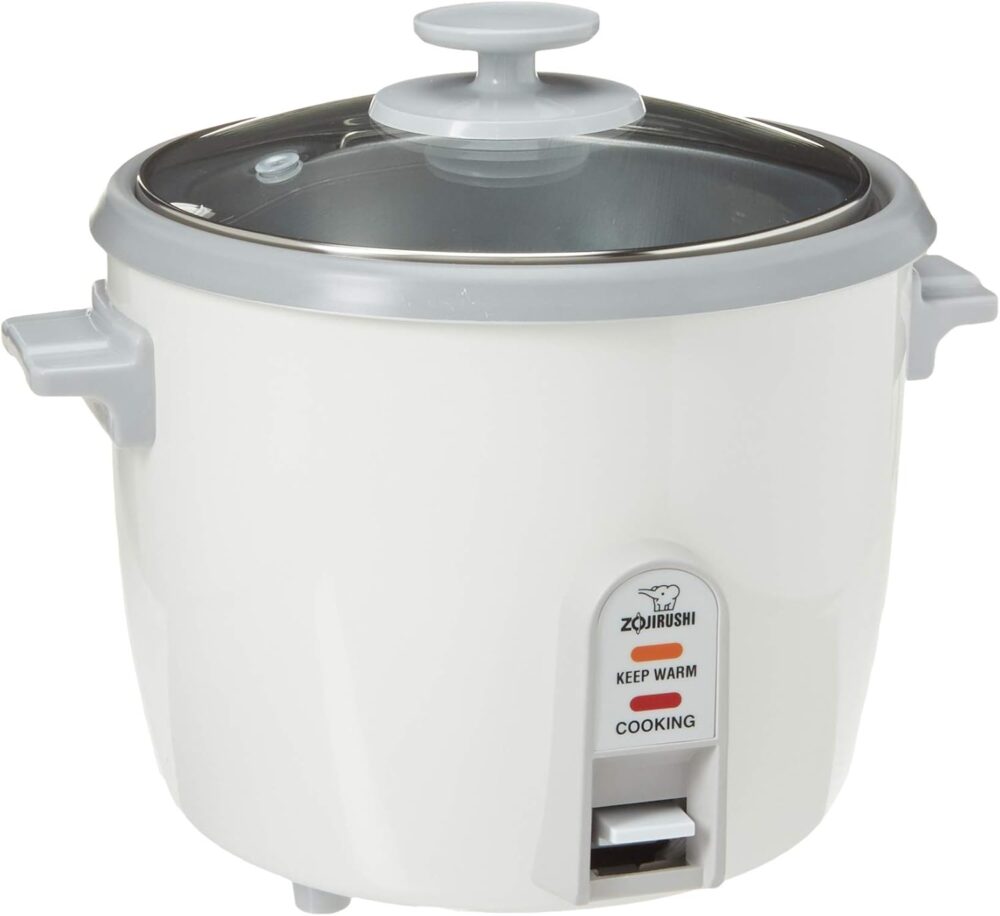
The Zojirushi 6-Cup Rice Cooker is one example of a mid-sized kitchen appliance built specifically around the goal of simplifying rice preparation while offering a degree of flexibility for different grain types and cooking styles. Zojirushi, a Japanese company with a long history in kitchen and household appliances, has built a reputation around precision-oriented design, and this rice cooker reflects that general approach.
This article walks through what the appliance offers, how it might fit into different kitchens and lifestyles, and what factors are worth thinking about before adding one to your countertop. The goal here is to give you a clear, balanced overview rather than a sales pitch, so you can decide for yourself whether it aligns with your cooking habits and needs.
Key Features
Capacity and Sizing
A 6-cup capacity generally refers to uncooked rice measurements, which typically expands to a larger volume once cooked — often enough to serve a household of three to six people, depending on portion sizes and what else is being served alongside the rice. This makes it a reasonable middle-ground size: large enough for small gatherings or family meals, but not so large that it becomes unwieldy for everyday use by one or two people who occasionally want leftovers.
Heating System
Many rice cookers in this category use either a basic single-element heating plate or a more distributed heating approach that surrounds the inner cooking pan from multiple directions. The way heat is applied can influence how evenly the rice cooks from edge to center, which is one of the more common complaints people have with simpler cooking methods. A more even heat distribution generally helps reduce the chances of rice sticking or burning at the bottom while the top layer remains undercooked.
Multiple Cooking Settings
Rather than offering a single all-purpose cook cycle, this type of rice cooker commonly includes several presets tailored to different grain types — white rice, brown rice, sushi rice, mixed grains, and sometimes settings for porridge or slow cooking. Each grain type behaves differently in terms of water absorption and cooking time, so having distinct settings can help produce more consistent results without requiring the user to manually adjust timing or water ratios through trial and error.
Automatic Keep-Warm Function
A keep-warm feature is a standard inclusion in most modern rice cookers, and it allows cooked rice to remain at a safe, palatable temperature for an extended period after the cooking cycle finishes. This can be particularly useful for households with staggered mealtimes or for anyone who likes to prepare rice in advance of when it will actually be eaten.
Delay Timer
A delay timer function lets users add rice and water to the cooker ahead of time and set it to begin cooking at a later point, so that it finishes around a desired mealtime. This is a feature that appeals to people with busy mornings or evenings who want freshly cooked rice ready without having to be present to start the process.
Nonstick Inner Cooking Pan
The inner pan is typically coated with a nonstick surface, which serves two main purposes: making it easier to remove cooked rice without it clumping or sticking to the sides, and simplifying cleanup afterward. A removable inner pan is also generally dishwasher-safe or at least easy to hand wash, which adds to the overall convenience of daily use.
Compact, Functional Design
Zojirushi rice cookers in this size range are often designed with a relatively compact footprint suited to standard kitchen counters, along with a control panel that displays cooking status, selected settings, and remaining time. Some models include a digital display, which can make it easier to track the cooking or keep-warm cycle at a glance.
How It Can Be Used
A rice cooker like this one is, of course, primarily built around cooking rice, but its functionality often extends a bit further than that single task.
Everyday meal preparation: For households that eat rice as a regular part of meals, having a dedicated appliance frees up stovetop space and mental bandwidth. You can start the rice cooking and turn your attention to preparing other dishes without needing to monitor a pot.
Batch cooking and meal prep: Because of the 6-cup capacity, it’s possible to prepare a larger batch of rice at once and portion it out for meals throughout the week. The keep-warm function also supports this kind of meal-prep approach, since rice can be cooked in advance and stored at a safe temperature until it’s needed.
Cooking different grain varieties: With multiple presets, the appliance can typically handle more than just standard white rice. Brown rice, which requires longer cooking times and more water, along with sushi rice, which calls for a different texture profile, can usually be accommodated through dedicated settings.
Simple one-pot dishes: Some users incorporate rice cookers into broader meal preparation by adding vegetables, proteins, or seasonings directly into the cooking process, depending on the model’s settings and the manufacturer’s guidance. This isn’t universal across all rice cooker models, so checking the included instruction manual for recommended methods is generally a good idea.
Reheating and softening leftover rice: The keep-warm or reheat functions, where available, can also help refresh rice that has been previously cooked and refrigerated, restoring some of its original texture.
Who It May Be Suitable For
This type of appliance tends to appeal to a fairly broad range of households, though some groups may find it particularly useful:
- Families who eat rice frequently, where consistency and capacity matter more than novelty features.
- Home cooks interested in different rice varieties, such as those who regularly prepare both white and brown rice, or who enjoy sushi-style meals at home.
- Busy individuals or households who benefit from the delay timer and keep-warm functions to fit rice preparation around unpredictable schedules.
- People transitioning from stovetop cooking who want more consistent results without needing to develop the timing and water-ratio intuition that stovetop methods often require.
- Smaller households that still want batch-cooking capability, since the 6-cup size offers some flexibility for leftovers without being excessive for one or two people.
That said, very large households or those who frequently cook rice for big gatherings might find a larger-capacity model better suited to their needs, while individuals who rarely eat rice may not get enough regular use out of a dedicated appliance to justify the investment.
Important Things to Consider
While rice cookers like this one offer convenience, there are a few practical points worth thinking through before purchasing.
Counter space: Even at a moderate 6-cup size, a rice cooker takes up dedicated counter or storage space. It’s worth measuring your available area and considering where the appliance will live day to day.
Cleaning requirements: While the inner pan is generally easy to clean, other components — such as the lid, steam vent, or condensation collector — may require more regular attention to avoid buildup or odor over time. Reading the care instructions in the manual can help maintain the appliance’s performance over the long run.
Learning the settings: Multiple cooking presets can be a benefit, but it also means taking some time to understand which setting suits which grain type or recipe. The included instruction booklet typically provides water-to-rice ratios and setting recommendations, which can be a helpful starting reference.
Electrical and power considerations: Like most countertop appliances, it will need to be plugged into a standard outlet, and depending on the model, it may draw a moderate amount of power during the initial heating phase.
Maintenance over time: Nonstick coatings can wear down with extensive use, particularly if metal utensils are used inside the pan instead of the plastic or wooden utensils generally recommended by the manufacturer. Following care guidelines can help extend the appliance’s usable lifespan.
Price relative to features: Rice cookers vary widely in price depending on their feature set, build quality, and brand reputation. It can help to think about which features you’ll actually use regularly versus those that sound appealing but may go unused, so that you’re paying for functionality that fits your actual cooking habits.
Comparison of General Categories
Rather than comparing specific brands, it can be useful to understand the broader categories of rice cookers available on the market, since this helps frame where a model like this one fits.
Basic single-switch rice cookers are typically the simplest and most affordable option. They usually offer a single cook setting and a basic warm function, with less control over different grain types. These can be a reasonable choice for people who eat the same type of rice consistently and don’t need much flexibility.
Mid-range multi-setting rice cookers, which is the general category this Zojirushi model falls into, tend to offer multiple presets for different grains, more refined heating systems, and additional conveniences like delay timers. These models are generally aimed at people who want more consistent results and a bit more versatility without moving into higher-end pricing tiers.
Premium or multi-function rice cookers often include advanced heating technology (such as induction heating), pressure-cooking capabilities, and a wider array of presets for specialized dishes. These tend to come at a higher price point and may appeal to people who cook rice very frequently or who want an appliance capable of more elaborate cooking tasks beyond rice alone.
Multi-cookers with rice settings, such as general-purpose electric pressure cookers, also include rice functions among many other cooking modes. These can be appealing to people who want a single appliance for multiple cooking tasks, though dedicated rice cookers are sometimes seen as offering more consistent rice-specific results since that’s their primary design focus.
Each category has its own trade-offs in terms of price, counter space, and the breadth of functionality, so the right choice generally depends on how often rice is prepared and how much variety is desired in terms of grain types and cooking methods.
Frequently Asked Questions
Does this rice cooker work for grains other than rice? Many rice cookers, including multi-setting models, can be used for grains like quinoa or certain types of porridge, though results can vary. It’s best to check the manufacturer’s guidance for recommended grains and settings.
How long does it typically take to cook a batch of rice? Cooking times vary depending on the type of rice and the setting used, with brown rice generally taking longer than white rice due to its denser bran layer. Specific timing details are usually listed in the instruction manual.
Is the inner pan dishwasher-safe? This depends on the specific model and its coating, so checking the included care instructions is the most reliable way to confirm proper cleaning methods.
Can the delay timer be used safely overnight? Many people do use delay timers for early-morning or scheduled cooking, but food safety guidance generally recommends not leaving raw rice and water sitting at room temperature for excessively long periods before cooking begins, to reduce any risk of bacterial growth.
Does the keep-warm function affect the texture of the rice over time? Extended keep-warm periods can sometimes lead to gradual changes in texture or moisture level, which is fairly typical across rice cookers in general, not unique to any single model.
Is this rice cooker suitable for sushi rice? Many multi-setting rice cookers include a sushi rice preset designed to produce the stickier texture associated with that style of rice, though results can still depend on the specific rice brand and water ratio used.
Conclusion
A dedicated rice cooker like the Zojirushi 6-Cup model can offer a meaningful upgrade in convenience and consistency for households that regularly include rice in their meals. With features such as multiple grain-specific settings, a delay timer, and a keep-warm function, it’s designed to take some of the guesswork out of rice preparation while accommodating a reasonable range of grain types and cooking styles.
As with any kitchen appliance, the right choice ultimately depends on your specific habits — how often you cook rice, how much variety you want in terms of grain types, and how much counter space and budget you’re working with. Taking the time to consider these factors can help you decide whether this particular model, or another within the broader rice cooker category, is the better fit for your kitchen.